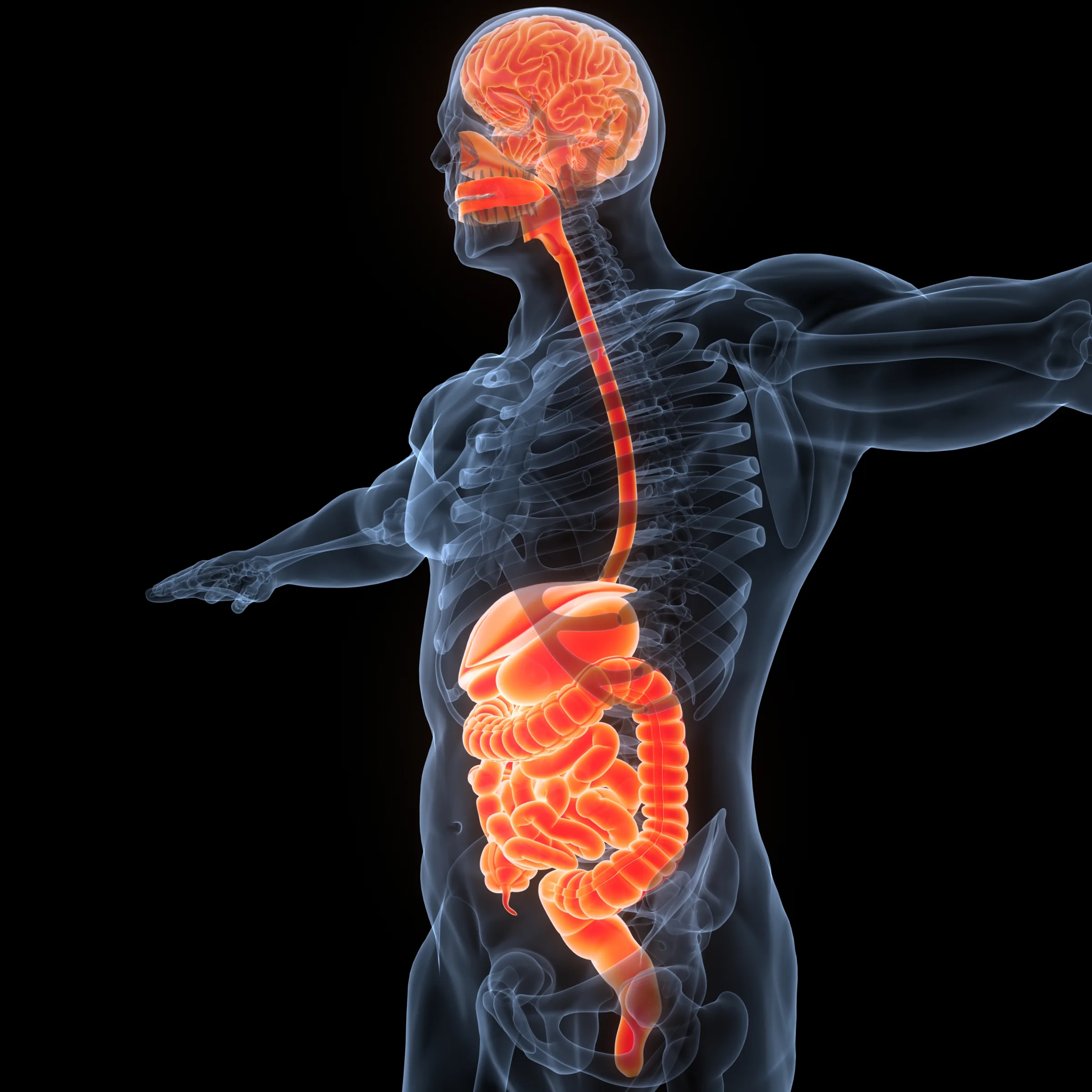
Always on your mind: gut microbes have close links with the brain It is the year 2036. A patient struggling with depression and anxiety is referred to her local psychobiotics clinic where the consultant prescribes a course of personalised pills to improve her symptoms. But rather than acting on her own cells, let alone those in her brain, the pills work by administering specific strains of microbes in her gut.
This future vision of doctors tweaking the contents of your digestive tract to improve complex and hard-to-treat psychological disorders might seem far-fetched. But research over the past couple of decades has revealed the far-reaching impact of the ecosystem of bacteria, fungi, viruses and other microbes that lives within us. Perhaps most surprising has been the associations scientists have discovered between the gut microbiome and our mental health.
Now they are exploring whether harnessing this intricate ecosystem could help people feel better. Growing evidence Advertisement The notion that your “gut feeling” connects with your psychological experience of the world is well established in popular imagination. But until recently, scientists were deeply sceptical—particularly of the notion that the multitude of microbial cells inside us could have an impact on mental health.
“Fifteen years ago, there was sniggering at the back of the seminar room when people presented their research,” says Professor Phil Burnet, a neuroscientist at the University of Oxford, UK. But the field of microbial neuroscience has accelerated rapidly over the past decade, thanks to an explosion of lab studies and trials in humans that involve microbiota. Some explore live beneficial microbes known as probiotics, others formulations of microbe food, or prebiotics, to fertilise specific bacterial strains.
Meanwhile, heat-treated microbes, or postbiotics, are also being developed. Together, these studies paint a picture of deep and important connections between the 100 trillion or so microbial cells — from as many as 5000 different species — in your digestive tract and your physical and mental health. “How can we use this to maintain wellbeing or treat brain disorders?” asks Burnet.
“Within the gut-brain circuit, the gut microbiome is the most accessible component.” What happens in vagus The neurons that operate the gut are sometimes referred to as our “second brain”. Known as the enteric nervous system, in humans it contains an estimated 500 million neurons, more than double the number in the spinal cord . It operates autonomously to control digestion but is also in constant bidirectional communication with the brain via the vagus nerve.
This second brain and its connection with the one inside your skull is one way that gut microbes can affect mental health. There are others too: via metabolites they produce passing into the blood and crossing the blood-brain barrier, by impacting gut hormones and by stimulating the immune system. “The microbiome is endlessly complicated, and what I suspect is that there is more than one mechanism for the clinical effects that we see,” says Dr Richard Day, V.P.
Medical Affairs and Clinical Development within R&D at ADM, a company that researches and markets pre-, pro-, and postbiotics.









Comentários (0)
Entre ou cadastre-se para comentar.