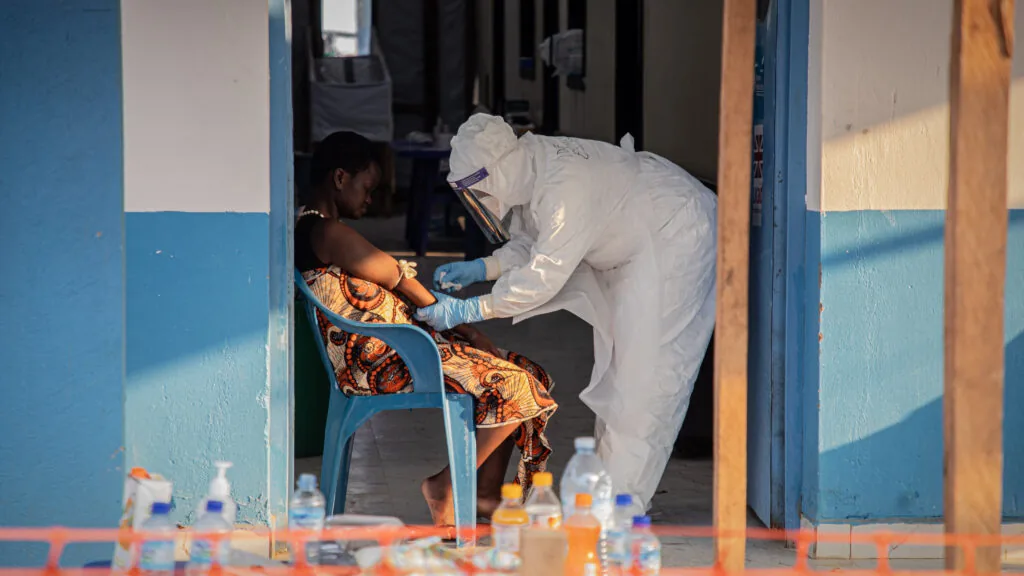
In 2014, we came far closer to losing control of Ebola than most people realize. We witnessed impossible choices daily, such as watching treatment centers turning away infected patients because there were no beds left. The epidemic eventually receded, but not because anyone had mastered Ebola.
It ended because of extraordinary international cooperation, local adaptations, and no small measure of luck. Today, as a new Ebola outbreak unfolds in eastern Democratic Republic of Congo, most of those conditions are absent. The greatest risk is not that this outbreak spreads.
It is that it never ends. In the past, the possibility of endemic Ebola was unthinkable, and the international community was aligned and deeply committed. Much of that is untrue today.
Global health capacity has become fractured and underfunded with a terrifying corresponding shift in approach to disease containment. In previous outbreaks, outbreak control and eradication strategies included contact tracing, case tracking, geo-mapping, vaccination, treatment (to the extent it is possible and available), and local adaptation of core cultural essentials, such as safe and dignified burial practices. The goal was to contain, meaning stop, the outbreak.
Today, the politics of containment focus upon the long-disproven idea that you can control an outbreak by fencing it off and closing the borders. It has never worked, and it won’t work in the DRC. Historically, Ebola emerged periodically from the forest to ravage a few isolated villages at a time.
It’s met by counter measures and/or peters itself out, mostly by being denied access to more human hosts. This time is different. The current outbreak is occurring in one of the densest areas of population in Africa.
Further, the economics within even small African villages have changed. Cellphones are ubiquitous and have become the basis of economic progress. People are more connected, with relatively more resources, and commerce is highly mobile.
Travel between villages used to be mostly on foot. Now every village has one or more inexpensive Chinese motorcycles that enable people, products, and services to move. They can also allow sick or potentially infectious people to flee outbreaks to populated areas quickly seeking help.
Superimpose these new mobility capabilities against a global health infrastructure where every layer of defense has been weakened, and the very real possibility of an outbreak that is never contained emerges. There are no proven medical countermeasures for the Bundibugyo strain. The World Health Organization and Centers for Disease Control and Prevention are operating at greatly reduced capacity.
The ongoing conflict makes it unsafe for outbreak responders to travel freely and be where they need to be to be most effective. Trust has been deeply damaged by the “Ebola business” that has profited from and exploited previous outbreaks. Add to this the lack of lessons learned from prior outbreaks.
The announcement by the U.S. government of a highly controversial and currently on-hold quarantine and treatment center in Kenya defines the approach: “Let’s protect ourselves rather than stop the outbreak.” Highly specialized treatment facilities in the United States remain unutilized, and global health budgets have been cut with huge amounts of resources shifted toward border protection and immigration control.






Comentários (0)
Entre ou cadastre-se para comentar.