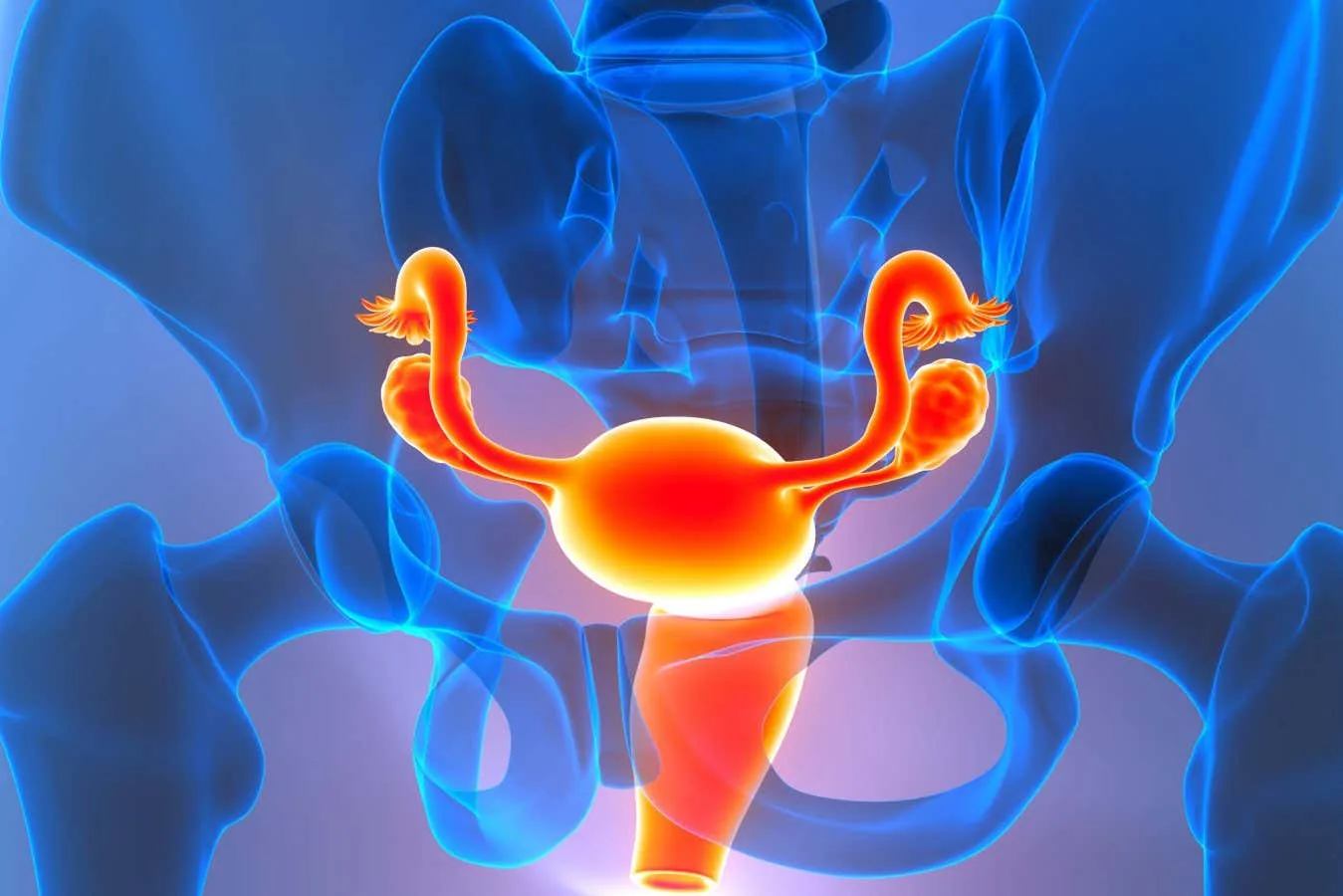
We used to think that once ovaries had passed through the menopausal transition, the scarred, shrunken organs sat inert in the body. But the discovery that the ovaries of aged mice become infiltrated with immune cells suggests the organ may be linked to widespread inflammation after menopause. “We assumed the organ had done its job [post-reproduction],” says Francesca Duncan at Northwestern University in Illinois.
“What we found was super surprising.” In March, Duncan and her colleagues published a study, which hasn’t yet been peer reviewed, looking at the protein composition of ovaries in post-menopausal women aged 50 to 75. They expected all the ovaries to be fairly similar, but instead Duncan found their “molecular signatures changed quite dramatically over the decades, which told us: this organ is not stagnant, it’s changing over time”. To better understand what happens, Duncan and her team have now studied the ovaries of mice in more detail.
They analysed the tissue and gene expression within the ovaries of young (aged 2 months), reproductively old (18 months) and post-reproductive (24 months) mice. Mice don’t have a menstrual cycle like us – their uterus lining is reabsorbed, not shed as a period. They also don’t go through the menopause like we do, but their egg reserves deplete with age and their cycles become irregular.
“What we are referring to when we talk about menopause is the age-related decline in fertility and [hormonal] function, and mice absolutely go through that same thing,” says Duncan. Free newsletter Sign up to Eight Weeks to a Healthier You Your science-backed guide to the easy habits that will help you sleep well, stress less, eat smarter and age better. Some of the results were expected: the older ovaries lost their egg-producing follicles, for example, and showed more scarring.
What’s more, genes involved in reproduction and the creation of hormones like estradiol, a form of oestrogen, were downregulated. But the team also found that genes linked to inflammation and immune activity became increasingly active, and the number of immune cells in the ovaries, including T cells and macrophages, increased with age. Further research is required to uncover what this may mean for immune – and overall – health, but Duncan suspects this represents an identity change for the ovaries, rather than them becoming “an immune superpower”.
“[The ovaries are] losing sort of the reproductive signature and taking on an immune signature, but I don’t think that’s necessarily a good thing.” Ageing tissues undergo “inflammaging”, a state of chronic, low-grade inflammation. Immune cells are heavily involved in this, which makes Duncan suspect that post-reproduction, ovaries contribute by releasing inflammatory signalling molecules. “It is possible [this post-reproductive change] means nothing, but it’s also possible it’s sending out these signals and communicating with other parts of the body,” she says.
Duncan stresses the study was only in mice, but Diana Laird at the University of California, San Francisco, suspects similar immune changes occur in humans, given the reproductive similarities between the two species.








Comentários (0)
Entre ou cadastre-se para comentar.