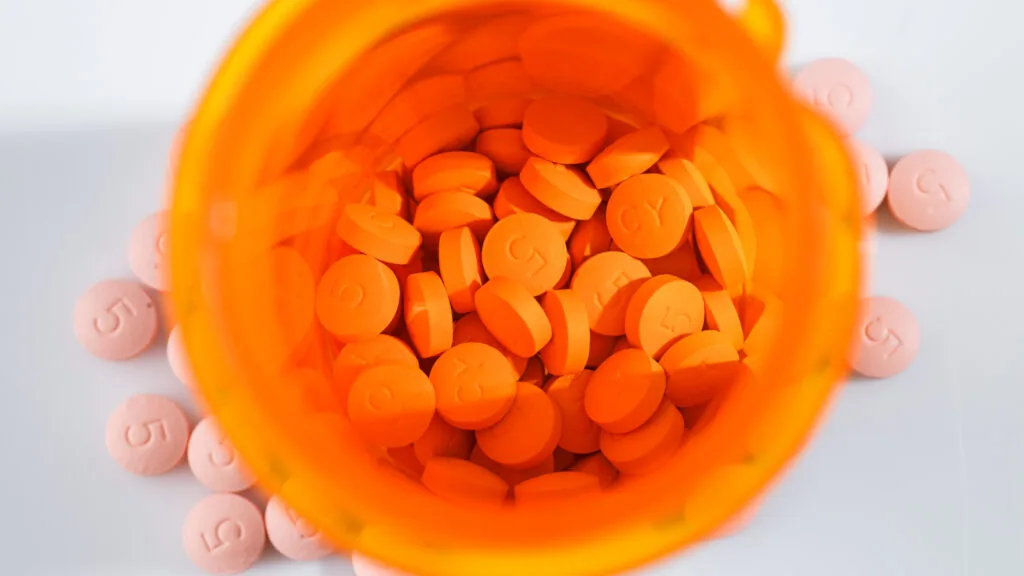
People with obesity have worse cardiovascular health than people with normal weight, especially as they get older, right? Not necessarily. People over 40 with obesity appear to have both their blood pressure and cholesterol under control at levels rivaling their peers with normal body mass index, research published Wednesday in the Lancet has found.
The new study tracked these cardiovascular risk factors in adults of varying ages and BMIs for 25 years, an era preceding new obesity drugs but coinciding with expanded use of far less costly statins and blood pressure pills. Since 1990, blood pressure and unhealthy cholesterol levels fell more sharply among people considered overweight (BMI over 25) or with obesity (BMI 30 and above) who are 40 to 79 years old than among people the same age who have a body mass index of 20 to 25, researchers from the NCD Risk Factor Collaboration reported. By 2024, the 60- and 70-year-olds in the study had blood pressure and unhealthy cholesterol levels similar to or even lower than older adults with normal BMI.
For adults under 40, there was no such convergence between differing BMI groups, likely reflecting less screening for the two silent dangers. In a commentary published with the study, Yuan Lu of Yale University saw the converging risk factor levels as a win for preventive cardiology. “The findings should not be interpreted as evidence that obesity has become benign,” she wrote.
“Rather, the findings suggest that some cardiovascular consequences of obesity are increasingly being attenuated through medical management.” Over the study period, blood pressure drugs and statins to lower harmful cholesterol became more widely used by middle-age people with obesity compared to those without obesity, making the medications a likely driver of the improving numbers. Blood pressure medications and statins have long been available in generic form, costing around $100 a year in the U.S. In the oldest age cohort, 70% to 72% of adults with overweight or obesity were taking blood pressure drugs or statins compared to 40% to 48% of people that age with normal BMI.
Young adults under 40 rarely received cholesterol or blood pressure medication, the analysis found, regardless of their BMI. “This is good news. It’s important information, but it’s important to realize what the study does and does not say,” Dan Jones, a former president of the American Heart Association who chaired the organization’s 2025 blood pressure guideline committee, told STAT.
He was not involved in the new study. “What you really want to know is whether this improves cardiovascular outcomes or kidney outcomes for these patients.” The study was observational, meaning it can’t establish cause and effect. To reach its conclusion about diminishing differences, the authors analyzed blood pressure and cholesterol readings in people with obesity, overweight, and normal BMI from 110 health datasets.
There were 1 million participants from 1990 to 2024 in seven countries: England, the United States, Japan, South Korea, Taiwan, Thailand, and Finland. Changes in blood pressure and cholesterol were less pronounced in Taiwan and Thailand.








Comentários (0)
Entre ou cadastre-se para comentar.