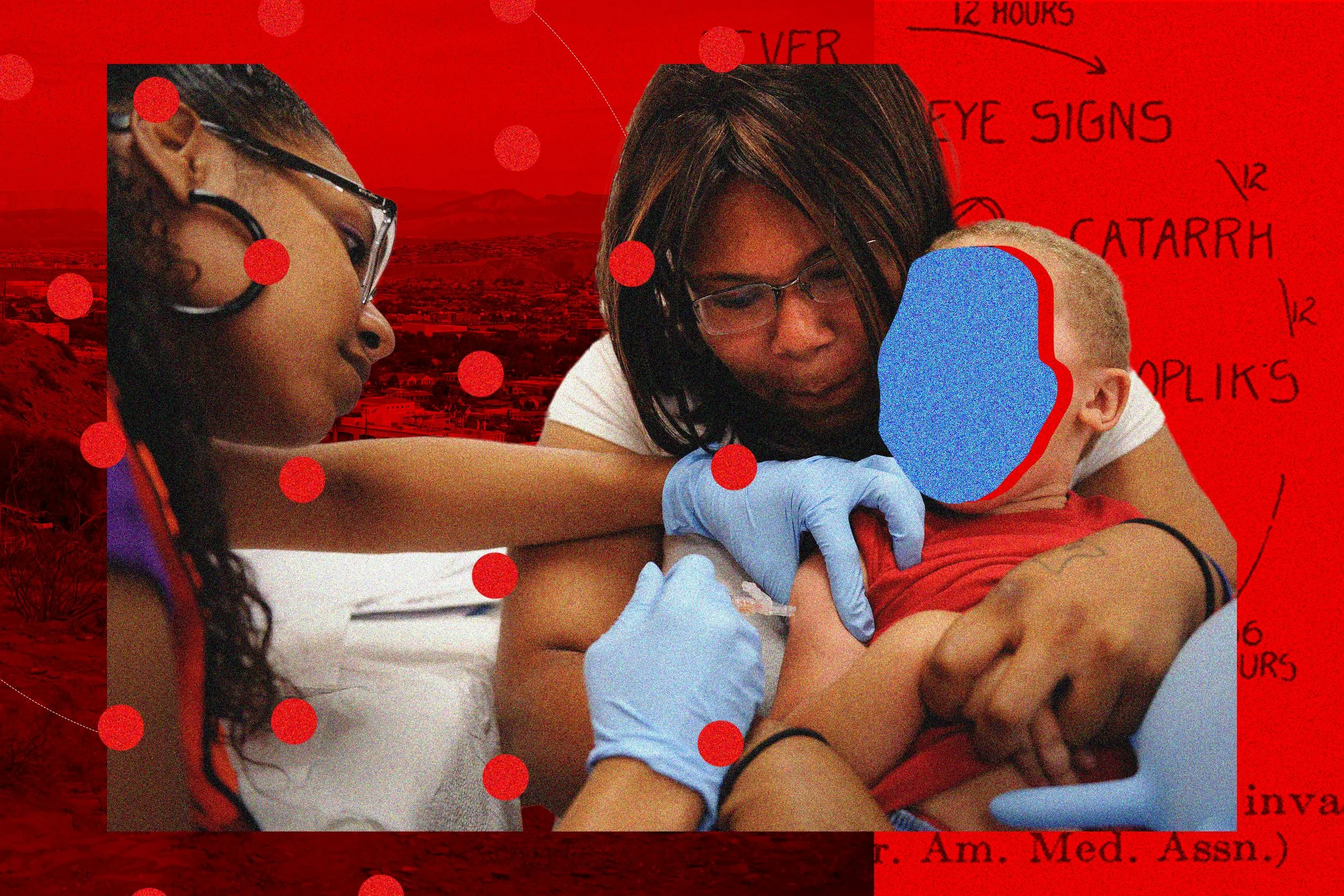
This isn’t just a bad year for measles. It looks to be the start of a bad era. Confirmed measles cases just hit a 35-year high, and it’s only July.
Together with last year, the number of cases has exceeded the combined total over the previous 25 years. The vast majority of cases stem from domestic outbreaks fueled by low rates of vaccination—and rates are declining. For the first time in a quarter century, the US no longer meets a main criterion for having eliminated measles as a public health threat.
That status hinges on sporadic outbreaks fizzling out within a year. Utah’s outbreak has lasted for longer, since June 2025. Nearly 400 people have been hospitalized with measles in the US this year and last, three people have died, and at least three suffered brain swelling with lingering symptoms.
This month, the Centers for Disease Control and Prevention is set to finalize a comprehensive study of the nation’s measles situation, examining data from January 2025 through June 2026. “I don’t think we could say with a straight face that there hasn’t been transmission over the past 12 months,” said a CDC scientist with knowledge of the agency’s measles report. (WIRED agreed not to name the researcher, who is concerned about retaliation.) The researcher said a national committee of measles specialists will review the CDC’s internal report, which then goes to the Pan American Health Organization, a group that evaluates the measles elimination status of countries throughout North, South, and Central America and the Caribbean.
The Pan American Health Organization will make its decisions at an annual meeting this fall, but scientists say the writing is on the wall. “The assessment for elimination isn’t until November, but that is a scheduling issue, basically,” said Anne Schuchat, who led the CDC’s immunization and respiratory disease group from 2006 to 2015. “It’s just so sad, because some people will get brutally ill,” she said of measles’ return.
“This is a wake-up call.” Pediatricians in Utah have been on the front lines as measles and other vaccine-preventable ailments have returned to the US. In interviews with WIRED, six doctors shared insights on this new era of vaccine hesitancy—and what could be done to turn the situation around. The conversations have been edited for clarity.
On Unvaccinated Children Hospitalized With Measles Complications Emilie Morris, a hospital pediatrician in Salt Lake County and Utah County: When children come in, they’re often bent over. We call it tripoding, which is particular to upper respiratory infections and airway swelling. They have a rash—viruses cause rashes all the time—but in this context, the kid is hunched over, mouth open, drooling, crying, maybe not even producing tears, because they’re so dehydrated.
Really labored breathing, kind of tugging in their belly, tugging between their ribs. Their eyes look kind of glazed over. It’s like they’re seeing through you.
Nathan Money, a hospital pediatrician in Salt Lake County and Utah County: If the child has a fever or trouble breathing, and they’re unvaccinated, I have to be way more aggressive from a medical standpoint, because they are at higher risk of having life-threatening illnesses.









Comentários (0)
Entre ou cadastre-se para comentar.