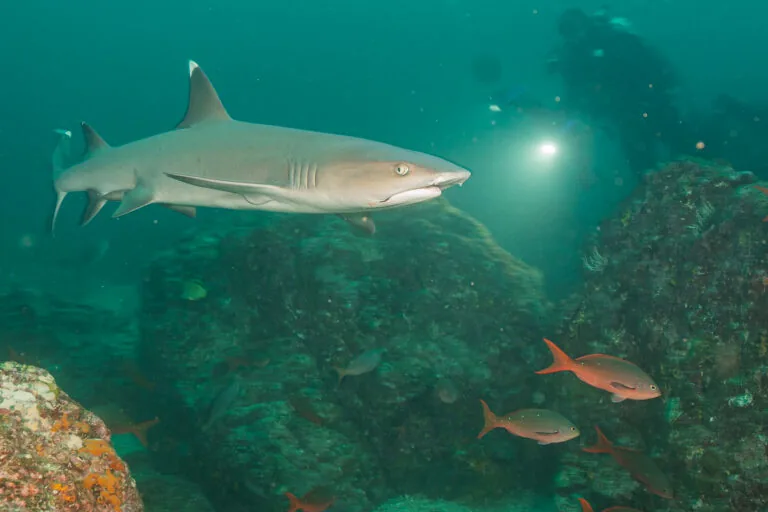
On Jan. 22, 2025, Panama’s government announced it had caught 16 vessels fishing illegally inside the country’s flagship marine protected area, declaring it the largest such enforcement operation in the country’s history. Publicizing the case helped Panama show its commitment to ensure 30% of its waters are “effectively conserved and managed” by 2030, in compliance with the “30 by 30” goal under a 2022 international treaty.
Yet Panama’s government has released little information about the case over the past year and a half, leading observers to ask if the vessel owners were ever held to account. Much of the information in this article, including about the number and nature of the vessels involved and the status of legal proceedings, hasn’t previously been reported. It comes from government files obtained via freedom of information requests by the Environmental Advocacy Center of Panama (CIAM), a nonprofit based in Panama City, and shared with Mongabay, and from Mongabay’s communications with two government agencies involved in the case: the Ministry of Environment, and the Aquatic Resources Authority of Panama (ARAP).
Together, those sources provide new details about the vessels, including that they number 21 rather than 16, and are all Panamanian-owned longliners. They also show that Panama’s government has quietly taken steps to hold the vessel owners accountable. The Ministry of Environment and ARAP have each issued fines for many of the vessels.
The fishers involved have protested publicly and appealed the fines, arguing that they weren’t fishing in the protected area and that…This article was originally published on Mongabay





Comentários (0)
Entre ou cadastre-se para comentar.