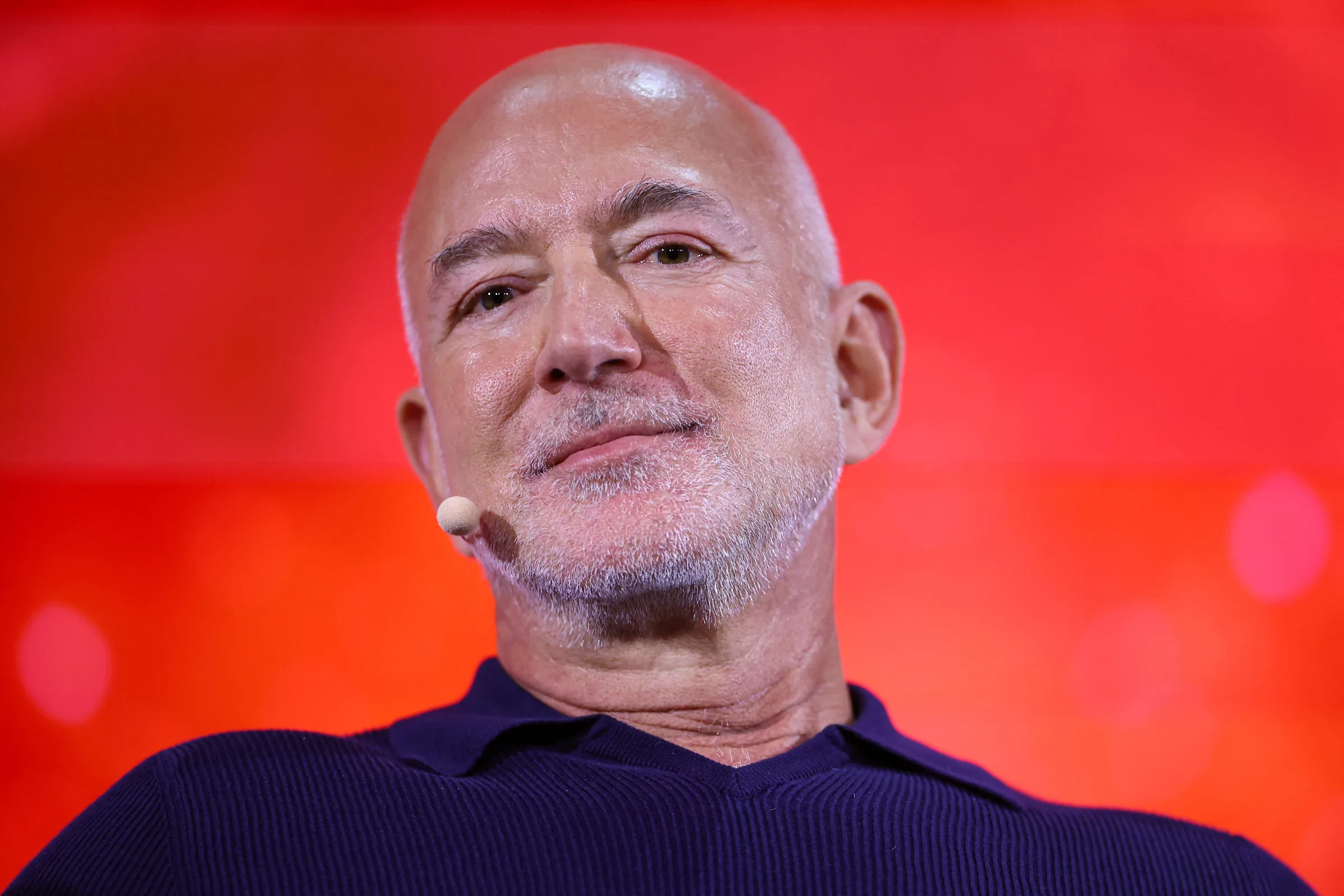
Mandela Day: Has South Africa failed his vision? July 17, 2026In South Africa, Nelson Mandela is honored every year on July 18, the birthday of the former president and Nobel Peace Prize laureate. On Mandela Day, people around the world are encouraged to help build a more just society.
South Africa's anti-apartheid hero fought against discrimination based on skin color and ethnicity. Yet three decades after the end of apartheid, many Africans in South Africa still face xenophobia, rejection and violence. Competition for jobs "We live in a world where many young people feel hopeless because opportunities are limited, and frustrations are easily directed at foreigners, who are often seen as competitors for jobs," said Mpho Tsotetsi, a 32-year-old South African social worker who lives in a township near Johannesburg.
Nevertheless, she does not see Mandela's dream as shattered forever, but admits it has been challenged. "Mandela envisioned a South Africa built on reconciliation, respect for human dignity, and African solidarity," Tsotetsi told DW. Mandela was aware that many African countries stood by South Africa in the struggle against apartheid, according to Tsotetsi.
"He believed that Africa's future depended on unity rather than division." But the escalation of anti-migrant protests reveals a different reality. Many migrants have fled South Africa in recent weeks out of fear — vigilante groups such as "March and March" and "Operation Dudula" have threatened further violence and intimidated people. According to Tsotetsi, the recent "Mabahambe" ("You must go!") march and wider anti-migrant protests reflect the frustration of many South Africans who believe the government has failed to tackle unemployment, crime, irregular migration and poor service delivery.
Critics, however, have described the protests as xenophobic. Mandela's legacy is not a 'static thing' According to Verne Harris, a staff member and former archivist for Nelson Mandela at the Mandela Foundation, these frustrations among the population are legitimate. People are growing impatient, but the demonstrations are also politically driven.
With local elections approaching in November, opposition parties have an incentive to stoke anti-government sentiment. "Nelson Mandela's legacy is not a static thing, but a dynamic public resource open to new interpretations," Harris told DW. "It has been always been made and remade over time; it is a living thing.
It can be mobilized for good, also for evil." Madiba, as Mandela was popularly known, spoke publicly for the first time about Afrophobia and xenophobia of all kinds shortly after taking office as the country's president in 1994, according to Harris. "In 1995, he made his views very clear: These forms of hatred are unacceptable in a democracy, and it is precisely this call — which he made early on in our democracy — that the Nelson Mandela Foundation continues to make," Harris said. One cannot understand Afrophobia in South Africa in 2026 without an understanding of the structural realities of a particular form of capital, Harris noted.
South African capital, he added, relates to the rest of the continent in a profoundly exploitative manner.



Comentários (0)
Entre ou cadastre-se para comentar.