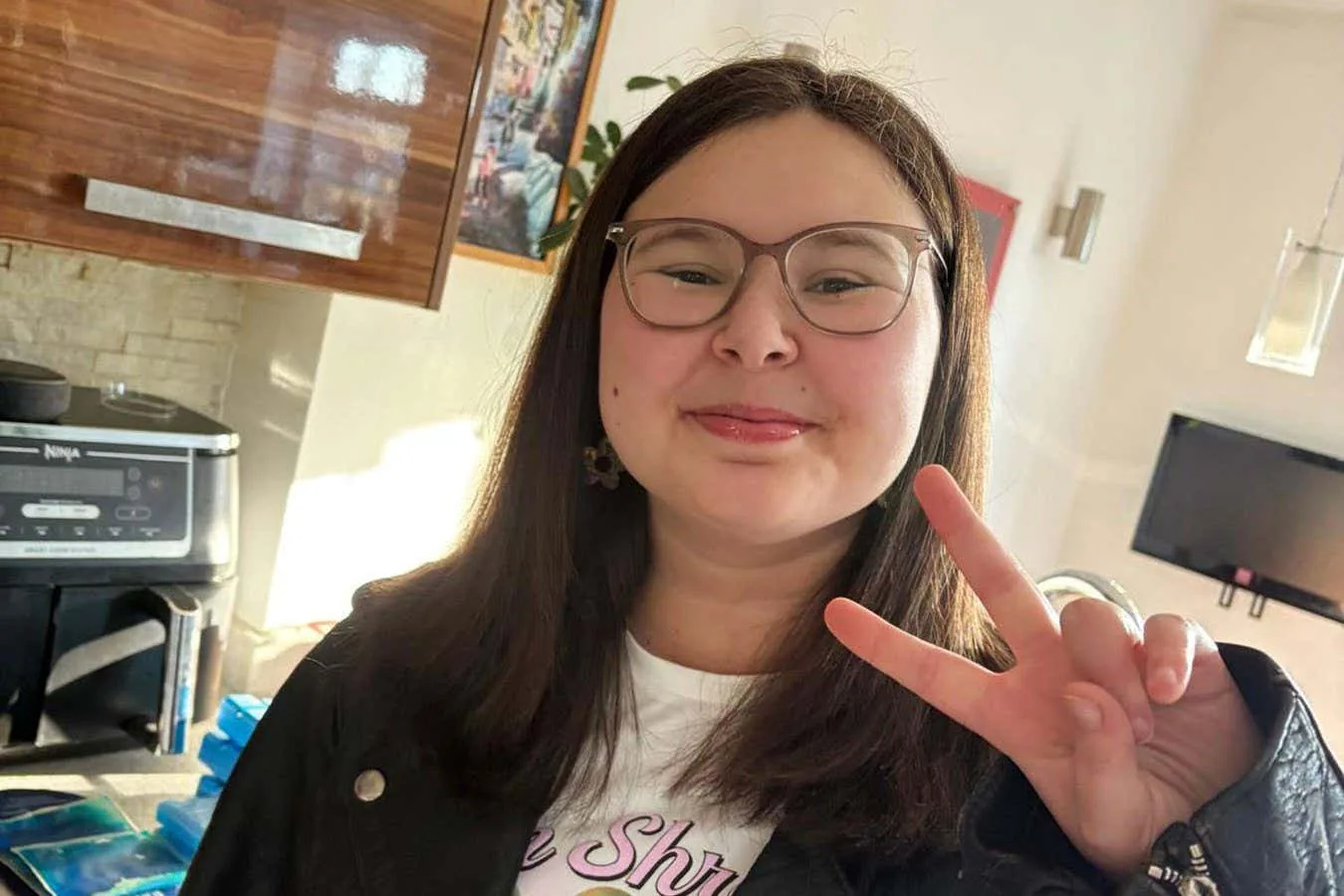
When the bone marrow transplant failed to treat my leukaemia, it was like: this is it, there’s nothing else now. The doctors were telling my parents it was a matter of weeks. Not years, not months, but weeks.
I’d just turned 13, and I was thinking: “Oh my gosh, this is my last birthday. I’m never gonna grow up and have a family and do all the things that normal people are completely used to, like those normal, everyday things.” Advertisement But then we heard about the trial and went down to Great Ormond Street Hospital in London. It was like sci-fi.
They were like: “Oh, we’re gonna put some CAR Ts in, and they’re gonna multiply and multiply some more, and go around and fight and kill your all your cancer cells.” It all started after Easter in 2021. When I went back to school after the coronavirus lockdown ended, I was really tired. I found it hard to walk home from school; I was falling asleep during breaks and lunches.
Eventually, I was too sick to go to school. Really early one morning, my dad noticed my breathing didn’t sound good, and we ended up in A&E. When they put the monitor on me, they started shouting for help.
I was in intensive care with double pneumonia for days, and when I woke up, I found out I’d already been put on chemotherapy for leukaemia – that’s when the immune cells in your blood turn cancerous. Free newsletter Sign up to Eight Weeks to a Healthier You Your science-backed guide to the easy habits that will help you sleep well, stress less, eat smarter and age better. Mum and Dad say it took the doctors a few days to work out what was wrong.
That might be because I had T-cell leukaemia, which is less common than B-cell leukaemia. Then it all moved really quickly. I had a month of chemo at Leicester Royal Infirmary.
It wasn’t working, so I was put on more intense chemo, but that didn’t work either. So at the end of October, I went to Sheffield Children’s Hospital for a bone marrow transplant. The idea is, you kill off the blood stem cells, including the cancerous ones, and then you replace them with the transplant.
I was there for five and a half weeks, and I was like, I’m not spending Christmas in hospital, no. And I did get home for Christmas, but afterwards I got a fever and had to go back to Sheffield. That’s when we found out that the transplant hadn’t worked.
There was nothing else the doctors could do. For me, I don’t think it really sunk in at the time. But for Mum and Dad, it was hard.
Mum says nothing was harder than not having hope. She and Dad started looking everywhere, trying to find out if there was anything at all that could work, if we could go to other countries. They were looking at remortgaging the house and things.
And they kept on hearing about CAR Ts – that’s when you change T-cells so they kill cancerous cells – and how they can work when bone marrow transplants fail. But they soon realised it only works for B-cell leukaemia, because if you make T-cells attack T-cells, they just kill each other. Then my consultant from Sheffield heard about a trial Professor Waseem Qasim was organising.
He was using CRISPR base editing to change the CAR T-cells so they don’t look like T cells anymore and so don’t kill each other.

Comentários (0)
Entre ou cadastre-se para comentar.